
When the pandemic reshaped our finances, many turned to personal loans as a lifeline for home repairs, medical bills or unexpected expenses. The market has since evolved, and lenders now offer a spectrum of options that cater to every credit profile—from hard‑credit seekers to those who prefer a soft pull.
Soft vs. Hard Credit Pulls: What’s the Difference?
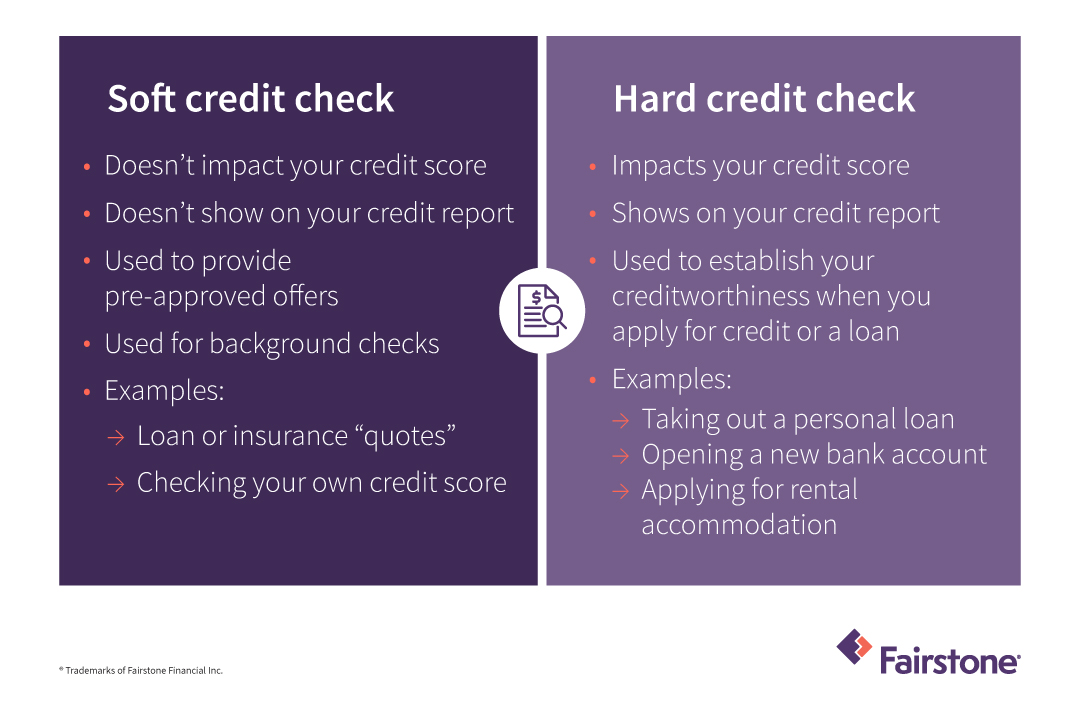
A hard pull digs into your credit file, potentially nudging your score down by a few points. A soft pull, however, checks your credit without leaving a mark—ideal for those wanting to shop around quietly.
- Hard Pull: Often required by traditional banks and credit unions; can affect your credit score temporarily.
- Soft Pull: Used by online lenders, payday alternatives, and some installment‑loan platforms; no impact on your score.
The choice hinges on your current credit health and the speed of approval you need. For many, a soft pull is the first step before committing to a full hard inquiry.
Why Lenders Offer Soft Pull Options
Lenders recognize that consumers are increasingly savvy about protecting their credit scores. By offering soft‑credit-check loans, they broaden access while mitigating risk. These lenders often rely on alternative data—bank statements, income verification, or collateral—to assess borrower reliability.
When you apply for a loan with a soft pull, the lender may still conduct a hard check later if you’re approved, but the initial screening won’t dent your score.
The Rise of No‑Credit‑Check Installment Loans
Some lenders have taken soft pulls to the next level by offering no‑credit‑check installment loans. These are designed for borrowers with thin or no credit history, using income and bank statements as primary criteria.
| Lender | Estimated APR | Loan Amount | Term |
|---|---|---|---|
| OppLoans | 99% – 195% | $500 – $5,000 | 9–18 months |
| CashAdvanceApp | N/A (fees only) | $25 – $750 | Up to next payday |
While these options can be a quick fix, they come with high interest rates and short repayment terms that can trap borrowers in a cycle of debt.
Case Study: The Hidden Cost of Rapid Approval
Consider a borrower who takes out a $2,000 loan at 200% APR for one year. Monthly payments would hover around $396, totaling nearly $4,750 over the term—more than double the original amount. In contrast, a traditional lender might offer a 36% APR on the same loan, resulting in roughly $201 monthly and an overall cost of about $2,411.
These stark differences underscore why consumers must weigh the long‑term implications before opting for a soft or no‑credit check loan.
How to Find the Right Loan Without Sacrificing Your Score
With so many options, it can feel like navigating a maze. Here’s a quick checklist:
- Assess Your Credit Needs: If you’re close to applying for a mortgage or car loan soon, avoid hard pulls.
- Compare APRs: Even if a lender offers a soft pull, ensure the interest rate is competitive.
- Read Fine Print: Look for hidden fees—late payment penalties, origination fees, or pre‑payment charges.
- Check Repayment Terms: Shorter terms mean higher monthly payments but lower total cost; longer terms can stretch out debt.
When in doubt, consult a financial advisor or use an online comparison tool to gauge potential costs before you commit.
Regulatory Landscape and Consumer Protections
The Consumer Financial Protection Bureau (CFPB) has tightened rules around payday lenders and high‑rate installment loans. Lenders now must disclose the true cost of borrowing, including APRs and total repayment amounts. Consumers are encouraged to verify that these figures match what they see on the loan agreement.
Moreover, the CFPB’s “Truth in Lending” regulations require clear presentation of interest rates and fees, helping borrowers avoid surprise costs.
Alternative Pathways: Credit Unions, Peer‑to‑Peer Lenders, and More
Not all soft‑credit options come from large online platforms. Credit unions often provide lower rates for members with good but not stellar credit scores. Peer‑to‑peer lenders like Prosper allow borrowers to present co‑applicants or collateral, reducing the lender’s risk without a hard pull.
For those who prefer a more traditional route, Jetz Loan offers personal loans with flexible terms and competitive rates. By focusing on borrower income and employment history rather than solely credit score, Jetz Loan provides an alternative that balances speed with affordability.
How Jetz Loan Stands Out
Unlike many lenders that rely heavily on credit scores, Jetz Loan evaluates:
- Employment Stability: Proof of steady income can offset a lower score.
- Debt‑to‑Income Ratio: A healthy ratio reassures lenders of repayment capacity.
- Co‑Borrower Options: Adding a co‑signatory can improve approval odds and reduce rates.
This approach allows borrowers to secure funds faster while minimizing the impact on their credit profile.
The Bottom Line: Choosing Wisely in a Crowded Market
Personal loans are no longer a one‑size‑fits‑all solution. Whether you opt for a soft pull from an online lender, a traditional bank with a hard inquiry, or a hybrid like Jetz Loan, the key is to understand the trade‑offs.
- Speed vs. Cost: Quick approval often comes at a higher price tag.
- Credit Preservation: Soft pulls protect your score—use them strategically before committing to hard inquiries.
Risk Management: High APRs can trap borrowers in debt cycles; look for transparent terms.
By staying informed, comparing offers, and leveraging alternative data, borrowers can navigate the personal loan landscape confidently—making sure their next financial step is both timely and sustainable.